 HRM
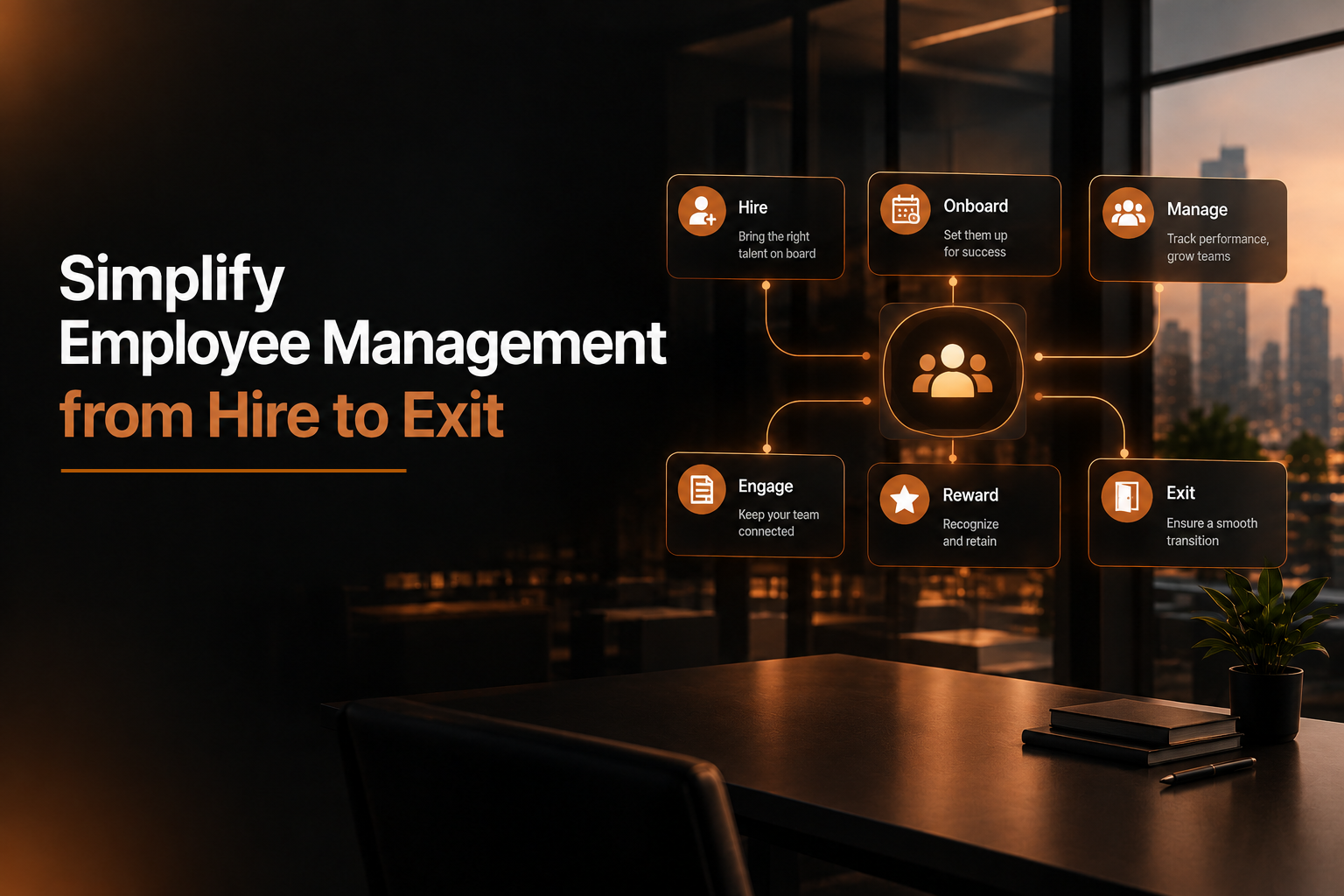
HRMSimplify Employee Management from Hire to Exit
Admin · October 9, 2026 · 4 min read · HRM
Manage the employee journey from recruitment and onboarding to employee records and offboarding with QTO ERP’s connected HRM module.
Managing employee information across separate spreadsheets and tools can make HR work slow and difficult to track. QTO ERP’s HRM module brings key employee lifecycle tasks into one connected system, from recruitment and onboarding to employee records and offboarding.
What Is an HRM Module?
An HRM module helps a business organize its people-related processes and information. Instead of searching through separate files, HR teams can use one system to manage employee details and follow important steps throughout the employee journey.
QTO ERP describes its HRM module as a solution for managing the employee lifecycle, including vacancies, recruitment, onboarding, employee records, events, and offboarding.
Why HR Teams Need a Centralized System
When employee data is scattered, routine tasks can take longer than they should. HR may need to update the same information in several places, track recruitment manually, or search through folders for employee records.
A centralized HRM system can help teams keep information organized and make everyday HR workflows easier to follow. QTO ERP presents its HR solution as a connected platform for recruitment, employee management, attendance, payroll, and workforce operations.
How QTO ERP HRM Supports the Employee Lifecycle
Recruitment and Vacancies
Recruitment begins with a vacancy and continues as applicants move through the hiring process. QTO ERP’s HRM module connects vacancies and recruitment with the wider employee lifecycle, helping HR teams keep hiring activity organized.
Onboarding New Employees
Once a candidate is hired, onboarding helps prepare them to join the organization. Keeping onboarding connected to recruitment and employee records can help HR maintain continuity as a new hire moves into their role.
Employee Records
Employee records are an important part of HR operations. A central place for these records helps HR teams manage employee information within the broader workforce system. QTO ERP lists employee records as one of the stages supported by its HRM module.
Events and Offboarding
Employee events and offboarding are also included in QTO ERP’s stated HRM lifecycle. Managing these stages in the same system can help HR keep workforce processes connected, from an employee’s arrival through to their departure.
HRM Connected with Attendance and Payroll
HR tasks often connect with other workforce processes. Attendance records and payroll, for example, are closely related to employee management.
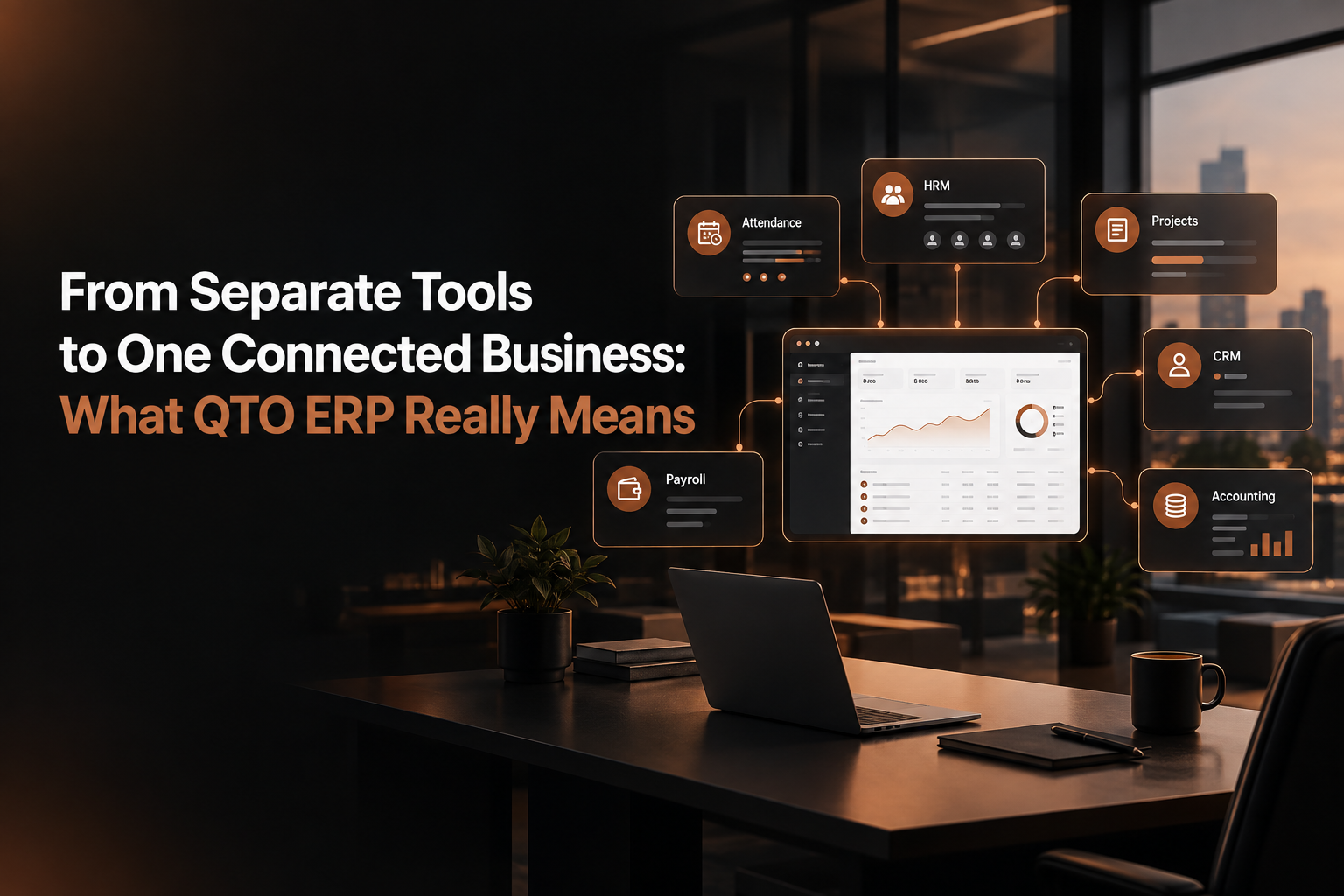
QTO ERP positions recruitment, employee management, attendance, payroll, and workforce operations as parts of one connected HR solution. Its product catalog also presents HRM, attendance, and salary/payroll as separate modules within the wider ERP platform.
This connected approach can reduce the need to switch between disconnected tools. The exact workflows available may depend on the organization’s setup and the modules it uses.
Benefits for Growing Organizations
A structured HRM system can help growing businesses keep employee processes manageable as their teams expand.
Organized workflows: Keep key employee lifecycle stages connected.
Centralized employee information: Manage employee records within the HR system.
Connected HR operations: Link HRM with attendance and payroll workflows where configured.
Clearer process tracking: Follow recruitment, onboarding, and offboarding in a more organized way.
QTO ERP describes its HRM module as complete human resource management for growing organizations.
Who Can Benefit from QTO ERP HRM?
The module may be useful for HR teams and growing organizations that want to manage recruitment, employee information, and lifecycle processes through a connected platform.
It can also be relevant to businesses that want HR operations to sit alongside attendance and payroll in the wider QTO ERP system.
Conclusion
QTO ERP’s HRM module is designed to support the employee journey from vacancy and recruitment to onboarding, employee records, events, and offboarding. By connecting HRM with attendance, payroll, and workforce operations, it offers organizations a centralized way to manage key people processes.